

In today’s world, an e-commerce store is a crucial sales channel for many businesses. Unfortunately or fortunately, not all online stores are created equal and far from all utilize their full potential. To be successful, an e-commerce store must be designed not only to look good but also to sell. The list below outlines various points that we believe must be in order:
1. Usability
Easy Navigation
Ensure that the navigation on the page is clear and easy to use. Make sure moving between categories is simple and the search function is helpful, not confusing with irrelevant results.
Mobile-Optimized
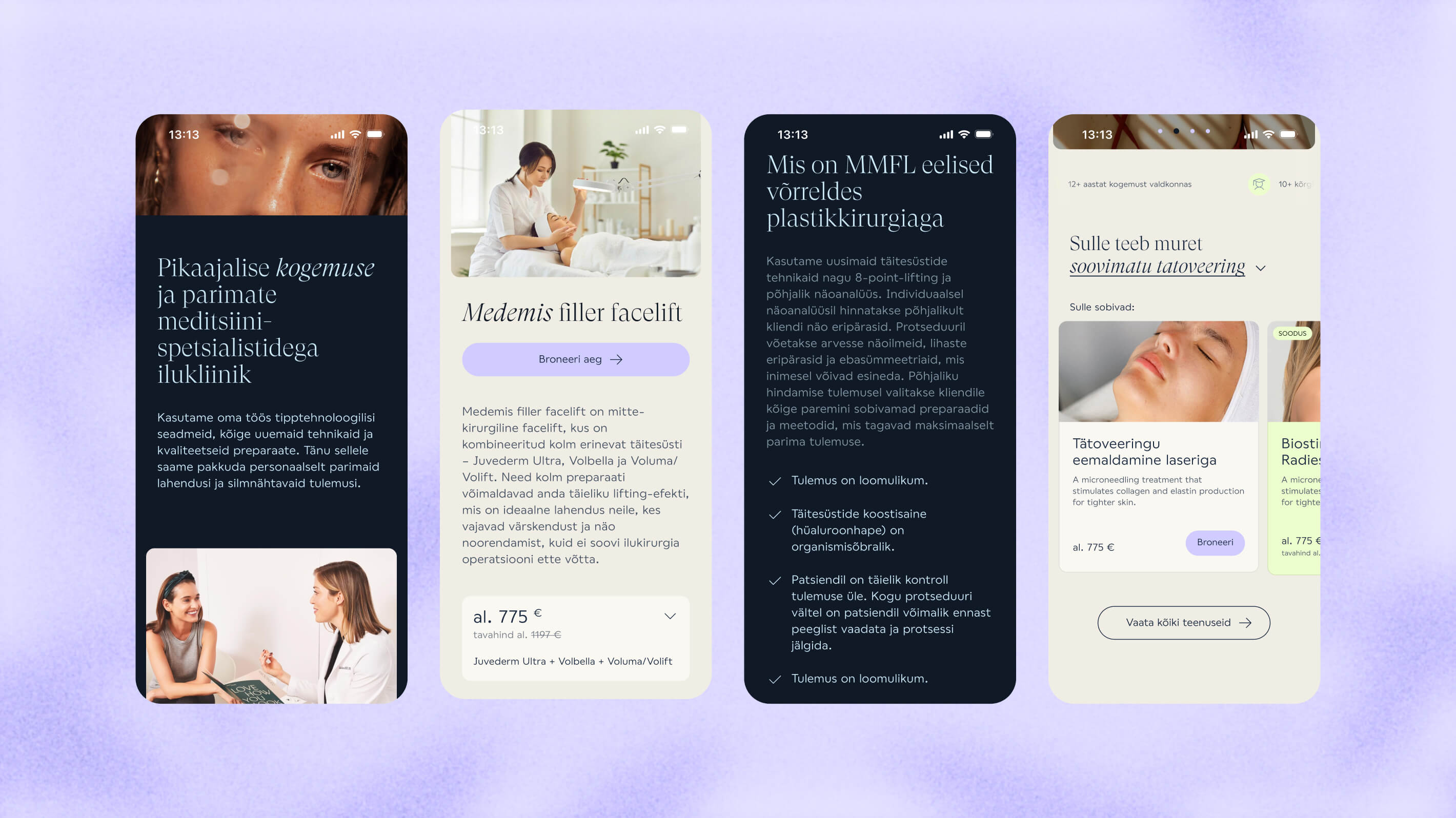
Over half of e-commerce traffic today comes through mobile devices, so a proper responsive design is no longer optional. The more you sell through social media platforms, the greater the share of mobile-using customers.
Clear Checkout Process
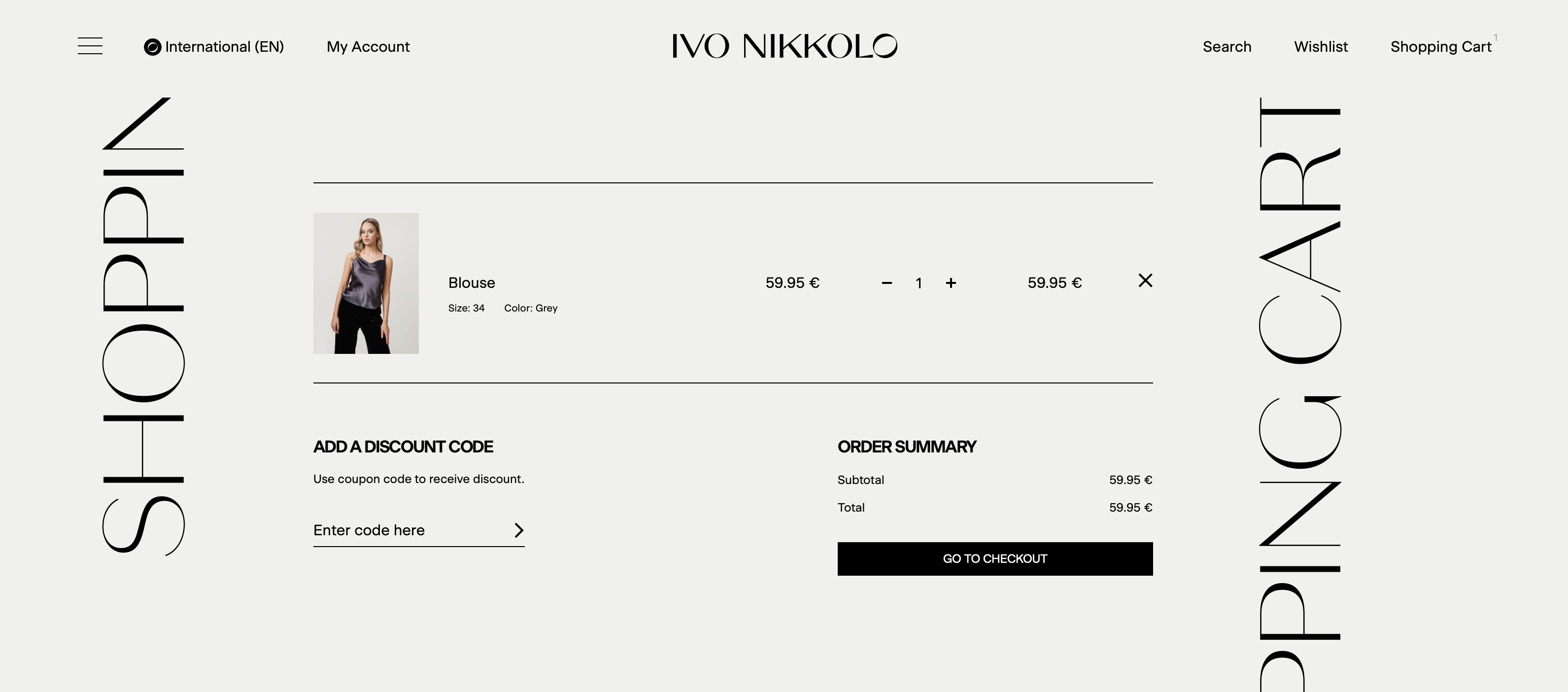
Primary buttons like “Checkout” or “Add to Cart” should be clearly distinguishable and immediately visible. This doesn’t mean they shouldn’t be designed. Just… keep them visible.
2. High-Quality Visuals and Content
Product Images
It is very important that a product evokes emotion in the buyer and that images explain the product in detail. For the emotion to be positive, images must be clear, professionally photographed, and showcase the product’s best features. Even more excitement can be created with, for example, 3D images that can also be animated.

Product Descriptions
Texts describing products must be sales-oriented and appeal to potential customers as both engaging and informative. You can write a very captivating story even about a pot and a pan. If you can’t do it yourself, bring a Hable copywriter along.
Branding-Driven Web Design
The design of e-commerce pages must originate from quality branding. Advertisements, product packaging, and the e-commerce store must all be designed in the same key. Differences in branding across channels leave an unprofessional impression, create confusion in the customer, and lead to a loss of trust. When a client with inadequate or outdated branding comes to us, we first refresh the entire branding and only then proceed to build the e-commerce store.
3. Fast Loading Times
Optimize the page and verify its quality
Slow pages scare visitors away and they won’t become your customers. All sorts of irregular and broken elements create doubt in the customer, and if trust is broken, they won’t proceed to purchase. It is important to optimize image file sizes and implement various tricks and tweaks in the code so the page is fast and loads quickly.
4. Trust Builders
Feedback and User Reviews
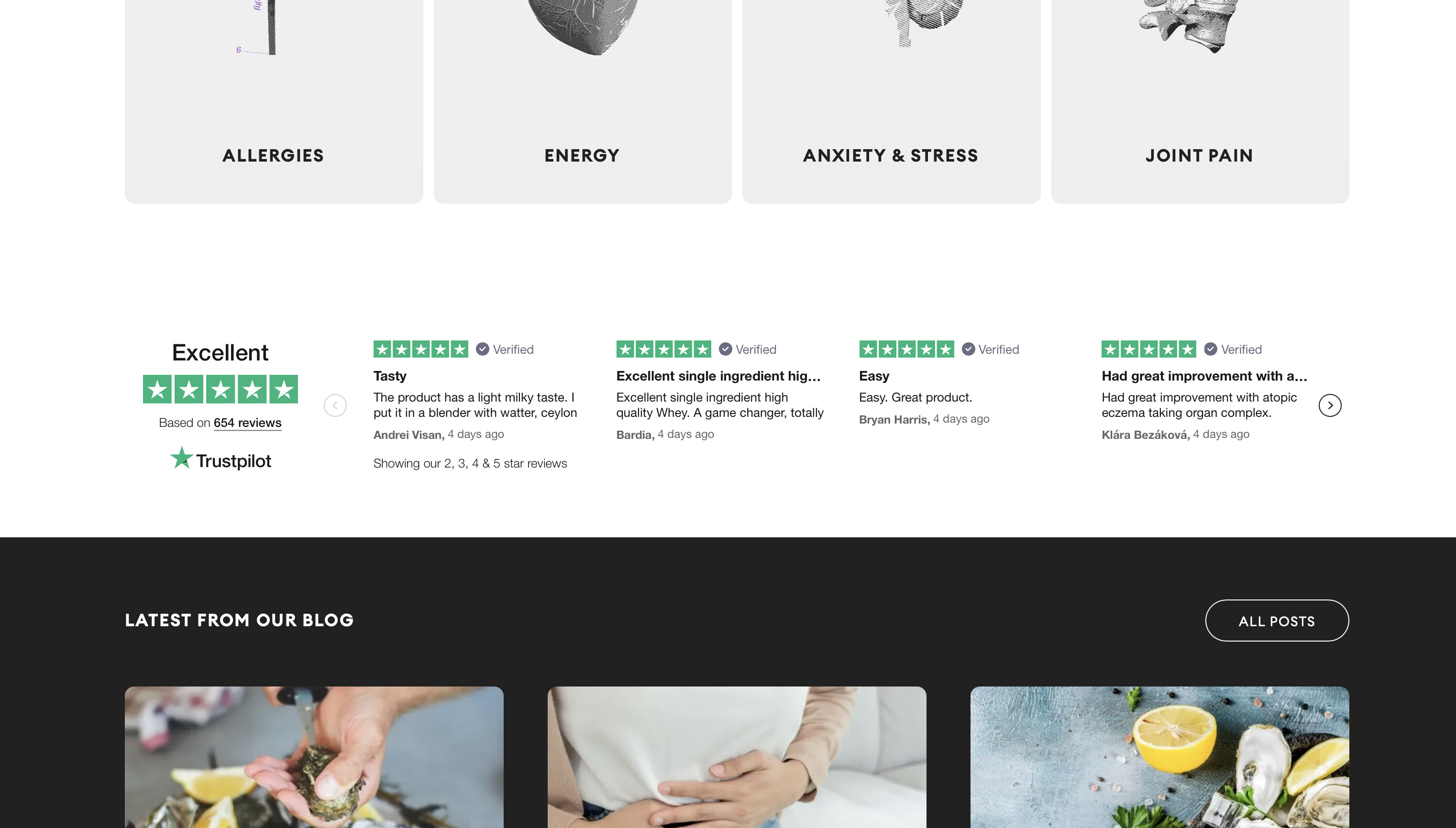
We definitely recommend implementing a reliable review collection tool like Trustpilot or Judge.me, so the encouraging words of happy customers reach other potential customers. Collecting average reviews is also helpful because based on them, you can improve your product. There is no bad without good. In addition to reviews, you can also gather feedback from key clients and, for example, feature it on the homepage with images. If a rockstar recommends a certain guitar manufacturer, it certainly builds trust, and that opinion also runs on the guitar manufacturer’s homepage.
Certificates
First, if your site still doesn’t start with https://, you are doing yourself a great disservice. Fortunately, most sites today have an SSL certificate properly in place, and web browsers allow visitors to access the page.
5. Personalization
Product Recommendations
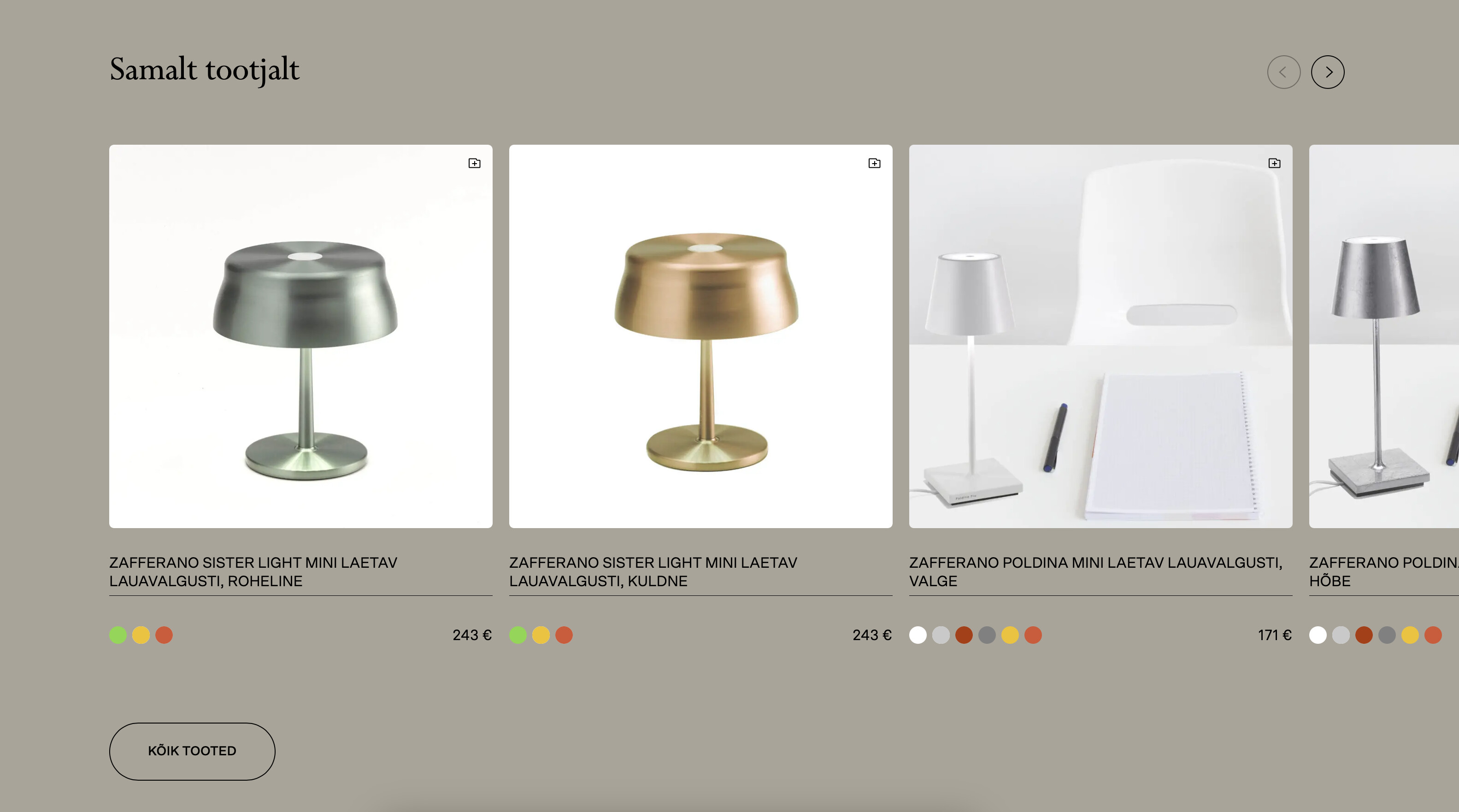
Instead of gathering a random bunch of more or less similar products under a product, you should ensure that recommendations are accurate. For example, if you are buying a new suit, often other suits are shown on the same page. Instead, you should show matching ties, shoes, and socks. Amazon has a very good section “Customers also bought these items…”, which recommends suitable batteries for a flashlight and essential oils for a room diffuser.
Wishlist
A wishlist helps users save products for later shopping or sharing with friends. An ideal solution for creating, for example, a birthday or wedding gift list.
6. Simplified Payment
Guest Checkout
No, I don’t want to create a user in your store! I want to put a product in the cart, fill in the minimum number of fields, and pay. The pot is boiling over, the kids are screaming, and if your e-commerce store takes too long to get to payment, such everyday situations become fatal to your sales. A very large part of our purchases are spontaneous buys that need to be completed immediately. The payment view is not a suitable place to recommend more new products.
Modern Payment Solutions
An e-commerce store works well when “friction” is absent. Probably no one prefers to pay an invoice manually anymore today, but would rather complete the purchase via bank link, credit card, or using PayPal. In Estonia, payment solution providers include, for example, Montonio, Maksekeskus, and Everypay. Offer the customer a choice of payments up to financing; this is very easy to set up today.
7. Data-Driven Design Decisions
Using Analytics
Designing an e-commerce store always begins with getting acquainted with the analytics of the previous solution. This way we can immediately smooth out the main wrinkles. In addition to launching the store, the integration with analytics software should be reviewed to understand how users behave on the page. Relying on analytics, we can understand why a page doesn’t sell even when quality traffic is directed to it. Sometimes product variant selection is confusing, or there is a distracting factor in the cart that prevents proceeding to checkout. Whether it’s a button that’s too small, complicated product selection, or something else – the fact is that by relying on analytics, errors are quickly found.
Visual Analytics
In addition to numbers, tools like Hotjar can sometimes be helpful, showing where users click and also recording user behavior on the page. It is reasonable to use such a solution periodically for solving very specific pain points. Using it on all pages and long-term negatively affects page speeds.
What’s Next?
If all the aforementioned solutions have been implemented, you are likely a step or two ahead of most Estonian e-commerce stores, and from our experience, we can also encourage that in Europe, you can successfully sell for several million with such a store. Create an e-commerce store for yourself that helps turn visitors into paying customers. Advertising alone is of no use if the e-commerce store doesn’t support it from the other side.
If all this seems too complicated and you feel ready to take the next step, come to us for a free consultation and we will build you a custom-made e-commerce store that supports your sales.